
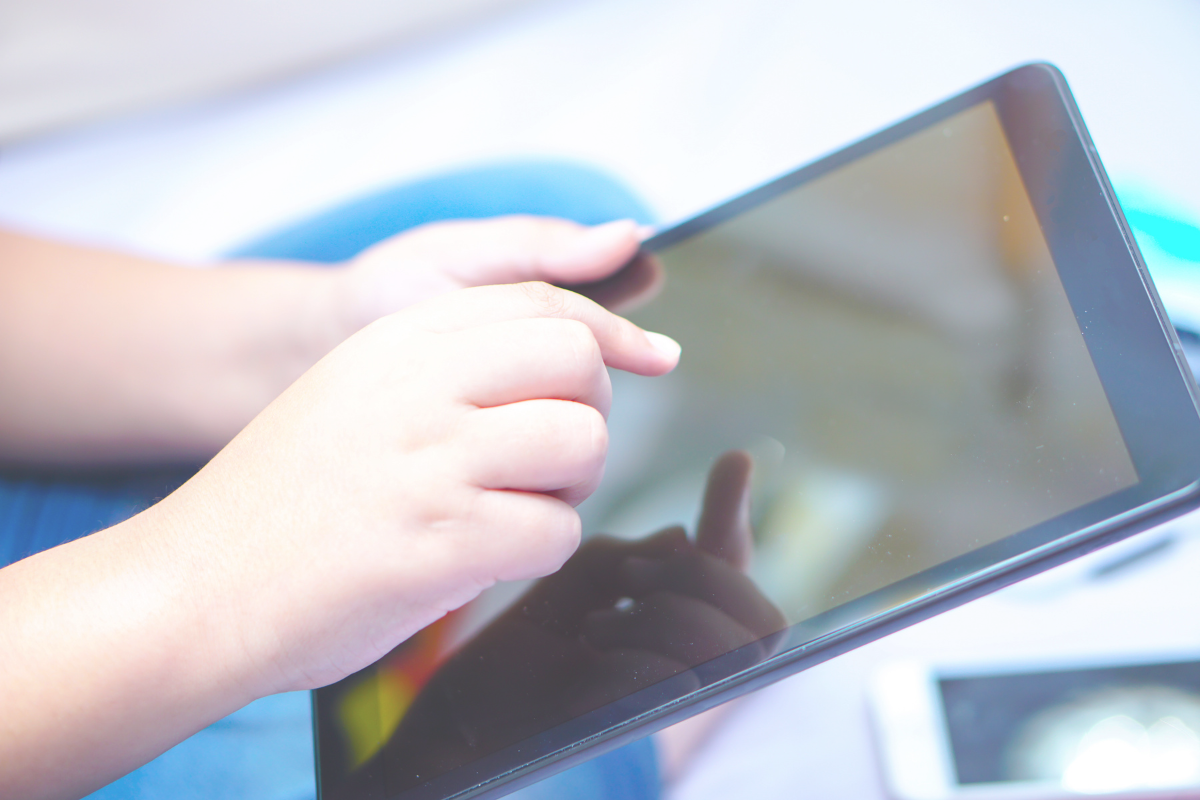
How to Prevent Device-Related Pain in Kids
Electronic devices are now part of everyday life for many children and teenagers, whether for learning, social connection, or entertainment. With increased screen time, we are also seeing more young people experiencing discomfort related to postural strain and prolonged device use.
Common complaints our Osteopaths see in children due to prolonged device use include:
• Headaches
• Neck and upper back pain
• Wrist, thumb, and elbow discomfort
• Muscle tension and fatigue
Why does this happen?
Long periods spent looking down at screens or sitting in slouched positions can place increased strain on the muscles and joints of the neck, upper back, and shoulders. Repetitive movements from typing, scrolling, and gaming can also overload the hands and wrists over time.
Simple habits can make a big difference:
• Encourage regular movement breaks every 20–30 minutes
• Set up devices at a comfortable height to reduce looking down
• Use supportive seating where possible
• Encourage variation in posture throughout the day
• Balance screen time with physical activity and outdoor play
It is also important to encourage children to listen to their bodies. If discomfort develops, changing position, moving regularly, and reducing prolonged screen time can help prevent ongoing strain.
Our Osteopaths can assess posture, mobility, and muscle tension, while also providing practical advice around ergonomics, stretching, and movement strategies to support growing bodies.
If you have concerns about your child’s posture, discomfort, or device-related strain, feel free to contact the clinic or book an assessment with one of our Osteopaths.
Movement and Breaks
No setup can offset being still all day.
Change posture often rather than chasing a “perfect” posture
Aim to stand, stretch, or walk every 30–60 minutes
Small, regular breaks are more effective than long, infrequent ones
Follow the 20-20-20 rule: Every 20 minutes, look 20 metres away for 20 seconds