Painful periods and Osteopathy
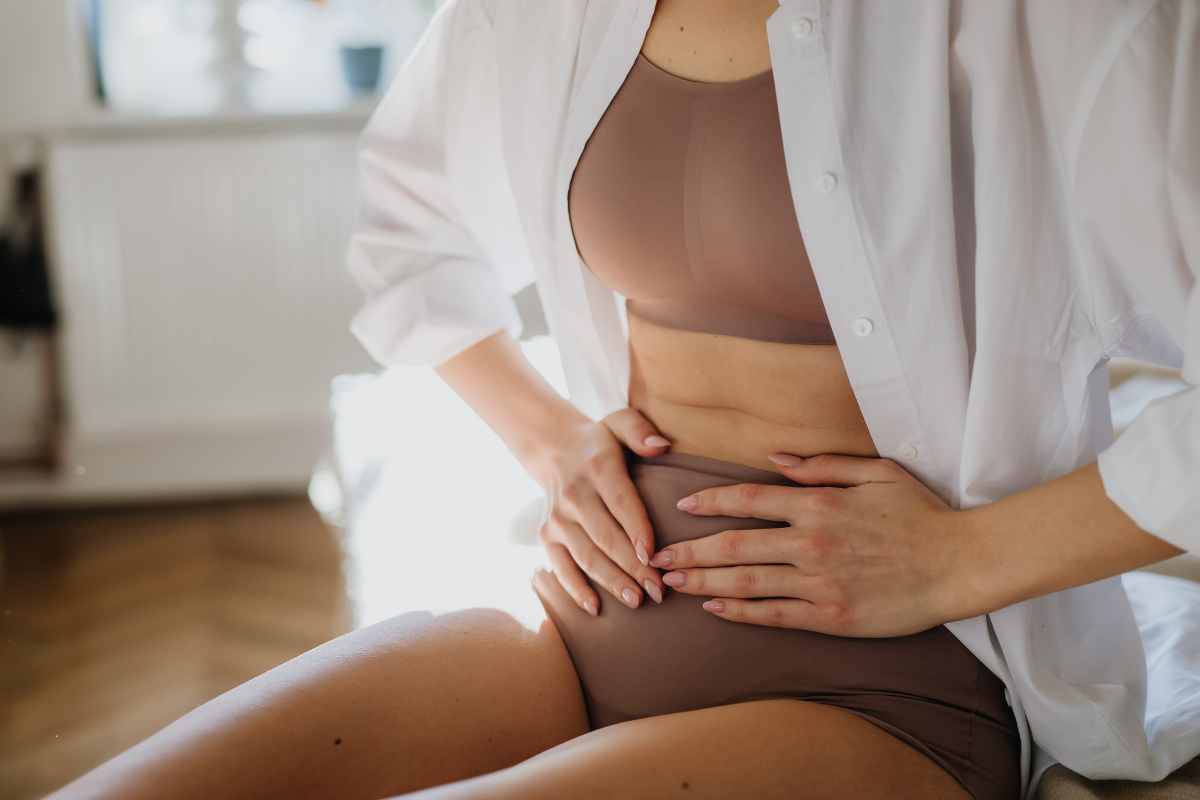
Many women experience cramping, pelvic pain, or back pain during their menstrual cycle. While period pain is common, severe or ongoing pain should not simply be dismissed as “normal”.
For some women, symptoms can significantly impact daily life, affecting work, exercise, sleep, energy levels, and overall wellbeing.
Primary dysmenorrhoea refers to painful periods without an underlying pelvic disease or structural condition. It is thought to be related to increased inflammatory chemicals called prostaglandins, which can cause stronger uterine contractions during menstruation.
Symptoms may include:
• Cramping pelvic pain
• Lower back pain
• Abdominal discomfort
• Pain into the hips or legs
• Bloating
• Nausea or fatigue
For some women, symptoms can be mild, while for others they can significantly affect quality of life and daily function.
How can Osteopathy help?
Painful periods are not only influenced by the uterus itself. Muscle tension, breathing mechanics, pelvic floor overactivity, posture, stress, and nervous system sensitivity can all contribute to pain and discomfort.
Persistent pain can also cause the body to become increasingly protective, leading to muscle guarding and increased sensitivity throughout the pelvis, abdomen, lower back, and hips.
Osteopathic treatment aims to support the body by:
• Improving mobility through the pelvis, hips, lower back, abdomen, and rib cage
• Reducing muscle tension and protective guarding patterns
• Supporting breathing and diaphragm function
• Assisting nervous system regulation
• Encouraging circulation and lymphatic flow
• Improving movement confidence and physical function
The role of pelvic floor health
Many women experiencing pelvic pain also develop an overactive or highly tensioned pelvic floor.
This may contribute to:
• Pelvic pain and pressure
• Pain during intercourse
• Bladder urgency or frequency
• Hip, tailbone, or lower back pain
Osteopathic treatment may help reduce tension patterns around the pelvis, hips, lower back, abdomen, and diaphragm that can contribute to ongoing pelvic floor overactivity.
The role of lymphatic drainage and circulation
Inflammation and pelvic congestion can contribute to feelings of heaviness, tension, and discomfort during the menstrual cycle.
Gentle osteopathic and lymphatic drainage techniques aim to encourage fluid movement, circulation, and drainage throughout the abdomen, pelvis, diaphragm, and rib cage to help support the body’s natural recovery processes.
At Health and Balance Osteopathy, we take an individualised and supportive approach to pelvic pain management, helping patients improve movement, function, and quality of life.
If period pain is interfering with your daily life, it is important to seek support and assessment.