

Bone health, Osteoporosis and healthy ageing
Bone health plays an important role in maintaining strength, mobility, balance, and independence as we age. Osteoporosis is a common condition that causes bones to lose density and strength over time, increasing the risk of fractures.
Often referred to as a “silent disease”, bone loss can occur gradually over many years without obvious symptoms. In many cases, the first sign of osteoporosis is a fracture after a minor fall or simple everyday movement.
Osteoporosis most commonly affects the spine, hips, and wrists, and fractures in these areas can significantly impact mobility, confidence, and quality of life.
The good news is that there is a lot we can do to support bone health and reduce the risk of osteoporosis throughout life.
Risk factors for osteoporosis include:
• Increasing age
• Menopause and hormonal changes
• Family history of osteoporosis
• Low physical activity levels
• Smoking and excessive alcohol intake
• Poor nutrition
• Low body weight or significant weight changes
• Certain medications and medical conditions
Bone health and menopause
Hormonal changes during menopause can accelerate bone density loss due to a decline in oestrogen levels, which play an important role in maintaining bone strength.
This is why postmenopausal women are at a higher risk of osteoporosis and fractures. Supporting bone health through movement, strength training, nutrition, and lifestyle factors becomes increasingly important during this stage of life.
How to support healthy bones
Regular weight-bearing and resistance exercise
Bones respond to load and movement. Regular strength and resistance-based exercise helps stimulate and maintain bone density, while also improving muscle strength, balance, coordination, and confidence with movement.
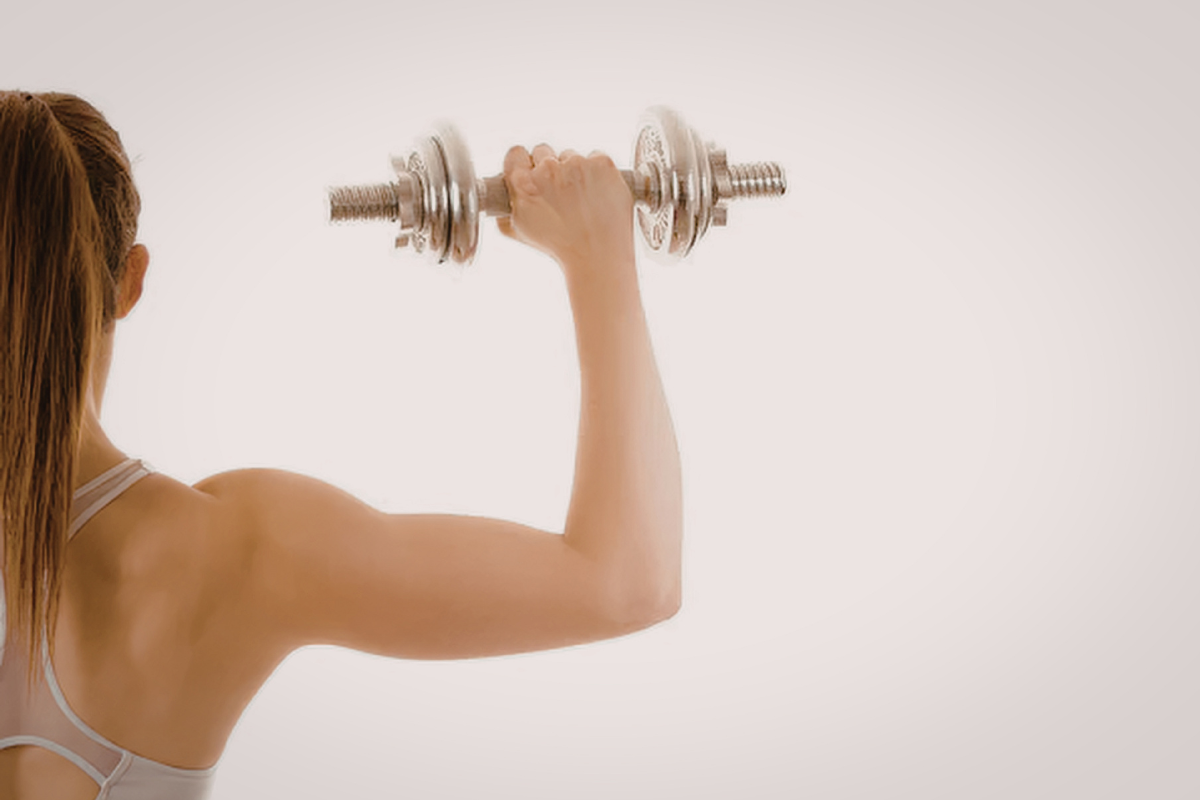
Helpful forms of exercise may include:
• Strength training
• Walking
• Pilates
• Resistance exercises
• Weight-bearing exercise
• Balance and stability training
Exercise is also important for reducing falls risk, which is a major contributor to fractures in older adults.
Nutrition for bone health
Calcium, vitamin D, protein, and overall nutritional intake all play an important role in maintaining healthy bones.
Calcium-rich foods include:
• Dairy products
• Sardines and canned salmon
• Leafy green vegetables
• Tofu
• Chickpeas and legumes

Vitamin D is essential for calcium absorption and bone health, with sunlight exposure being a major source for many Australians.
If you are concerned about your calcium or vitamin D intake, it is important to discuss this with your GP or healthcare provider.
The osteopathic approach to bone health
Osteopaths play an important role in supporting healthy ageing, movement, and musculoskeletal health.
At Health and Balance Osteopathy, we work with patients to:
• Improve mobility and strength
• Support balance and coordination
• Reduce joint stiffness and muscle tension
• Encourage safe movement and exercise
• Assist with posture and mobility changes associated with ageing
• Help reduce falls risk through movement and exercise advice
Osteopathic treatment may include gentle hands-on therapy, mobility work, strength and exercise guidance, and advice around movement habits and lifestyle factors that support long-term bone and musculoskeletal health.
Prevention is key
Bone health is something we should be thinking about throughout life, not only later years. Regular exercise, strength training, good nutrition, and maintaining an active lifestyle all play an important role in preventing osteoporosis and supporting healthy ageing.
If you have concerns about bone health, posture, balance, strength, or movement, our Osteopaths can help guide you with individualised advice and management strategies to support your long-term health and mobility.


